
Table of Contents
Toggle
Compressed air drying is essential to prevent damage from moisture in industrial applications.
Low dew points ensure higher operational efficiency and enhance air quality.
Various methods are employed, including refrigerated and desiccant dryers.
Monitoring systems help maintain consistent compressed air quality effectively.
Technological advancements like IoT facilitate real-time data tracking and predictive maintenance.
Choosing the right air dryer depends on application requirements and environmental factors.
Artic Driers manufactures the Sahara low dew points, heatless pressure swing air dryers with SANS 347 pressure code.These desiccant-rich pressure dryers comfortably obtain pressure dew points of -40 °C. The build standard and specifications are at a high level. Smaller dryers are free-standing, while bigger capacity dryers are supplied on heavy-duty baseplates. Pre- and after-filtration can be fitted to the dryer assembly before despatch to suit a client’s needs.
The Sahara dryers all use the Artis patented shuttle valve and orifice plate holder. The shuttle consists of four items only, and provides the highest reliability in a wide range of service and site conditions. The standard Sahara dryer has only two pneumatically operated dump valves. This reduces the maintenance requirement and makes fault-finding a breeze.
If needed, the dryer’s control timers can be adjusted on site or fitted with an optional dew point controller, together with pressure and flow monitoring. Dew point control reduces the compressed air purge requirements, and extends the cycle times of the dryer. On larger dryers, all the electrics are housed in an IP65 cabinet.
Power outages no longer create restart problems. Sahara dryers restart automatically on the resumption of power. The Sahara controller may also be linked to the compressor startup sequence.
Artic Driers provides a large range of imported and locally produced air filter housings that can hold different grades of filter elements to suit any client’s requirements. The locally produced filter casings are SANS pressure-coded and are coated to resist interior and exterior corrosion. All the internal element fittings are stainless steel.
A broad range of instrumentation focused on compressed air and gas monitoring for volume, pressure, power consumption, and compressed air quality is available from Artic Driers. Flow monitoring equipment is suitable for air and vacuum, and is compatible with most gases.
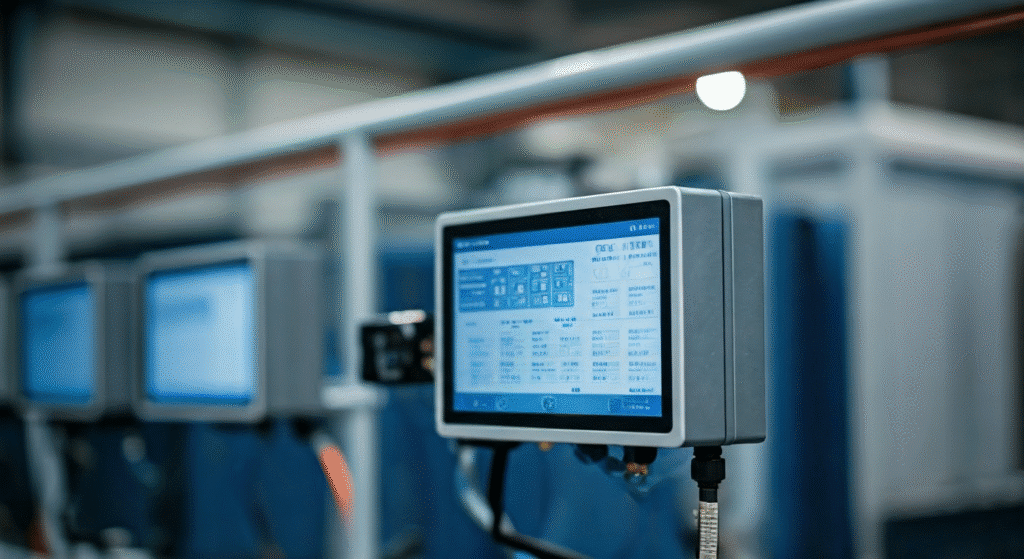
An S331 data logger provides plant operators and managers with instant access to all the parameters − flow, pressure, dew point, temperature, power consumption, oil vapor content, and particle content. When linked to a local data network, it will transfer all the information to the central management system. Data transfer to a USB stick is also provided.
These SUTO iTEC products give an instant overview of your facility’s consumption and quality parameters, making compressed air quality management simple. The SUTO iTEC S600 certified mobile Air Quality System has the solution, measuring dew point, airborne particle size, and oil vapor carry-over. It automatically creates a PDF report that rates your test results against the ISO standard.
As a leader in the air treatment business for over 30 years, Artic Driers has an exceptional range of equipment, along with in-house manufacturing capabilities. This makes the company your preferred supplier to solve your compressed air problems. With a large warehouse inventory, it rarely disappoints.
Compressed air is very important in many industrial processes. However, the moisture in atmospheric air needs good drying methods. An air dryer for air compressor systems removes water vapor to provide dry air. This helps protect machinery and maintain top-quality operations. If air is not dried properly, moisture can cause rust, corrosion, and make systems using compressed air less efficient. To improve performance and extend the life of equipment, getting dry air with advanced drying systems is essential for today’s industries.
Compressed air drying is the process of taking out moisture. This is important for air systems to work well and to meet air quality standards. When we compress air, it can bring in harmful things from the atmosphere, especially water vapor. This can harm machinery and affect processes.
There are different drying methods for different industrial needs. Techniques like refrigerated drying and desiccant drying help control the dew point effectively. Other options, such as aftercoolers and membrane dryers, including deliquescent/absorption drying methods, are compact and cost-effective for different sized applications. Each method is important to keep compressed air systems running smoothly.

Getting a low pressure dew point is very important for industries where air quality matters a lot. When moisture is reduced in the compressed air stream, it helps prevent corrosion, contamination, and problems with efficiency. A low dew point keeps air quality steady. This protects systems and parts while boosting how well they operate.
In fields like pharmaceuticals, food processing, and electronics, having excellent air quality is essential. Too much moisture can harm the making of delicate products or precise equipment. Low dew points also help meet ISO air standards.
Industries that use many pneumatic tools and need good air systems gain a lot from proper air drying. Whether it’s about keeping materials intact or stopping machinery from failing because of moisture, low pressure dew points ensure steady performance and better productivity.
Drying cooled compressed air well requires special types of dryers. Refrigerated air dryers are very common. They take out water vapor by cooling the air, keeping the dew point at 35°F. They are low maintenance and cost-effective, making them useful in many industries.
Desiccant dryers are great for getting very low dew points, even below freezing. They use materials like silica gel to grab moisture. These dryers can regenerate and keep producing dry air.
Membrane air dryers work differently than other dryer types. They help remove water vapor effectively and are good for specific uses. Each type of dryer serves different needs. This way, industrial systems can stay efficient and free from moisture, no matter the conditions outside.
Refrigerated dryers are commonly used to dry compressed air. They do this because they have good and energy-saving cooling systems. These dryers utilize the heat of compression to cool down incoming air to almost freezing temperatures. This helps to separate and remove moisture through drains, keeping the dew point steady.
They have low maintenance costs and are dependable. Refrigerated dryers work for 95% of compressed air tasks. Their design is simple but smart. They use air-to-air and air-to-refrigeration heat exchangers, improving their function. This way, they provide consistent results in different industries.
Refrigerant dryers work by cooling compressed air. This process condenses moisture and separates water droplets within the system. First, the incoming air goes through an air-to-air heat exchanger. After that, it enters the refrigeration system, where the refrigerant dryers cool the air down.
When the air temperature drops to about 35°F, water vapor changes into liquid droplets. These droplets are collected and removed through drains. This helps keep the compressed air stream free from moisture and makes sure it works well.
Refrigerated air dryers also use reheating to keep the temperature steady in the pipes. This reduces the risk of condensation. It also ensures that the cooled air does not freeze or cause pipes to sweat in different weather conditions.
Refrigerated dryers have many benefits in South Africa’s unique industry. They provide steady dewpoint control and low maintenance costs. These dryers work well in different settings. Their ability to handle local weather makes them a great fit for industries here.
Still, refrigerated dryers can only reach dew points of 35°F. This is due to the chance of freezing at lower temperatures. They are usually energy-efficient, but they can have issues with refrigerant leakage that need regular maintenance.
| Pros | Cons |
|---|---|
| Low upkeep costs | Dewpoints restricted to 35°F |
| Energy-efficient operation | Refrigerant leakage issues |
| Suitable for varied climates | Limited to specific industries |
When you balance these things, refrigerated dryers are a good choice for industries that need steady, medium-quality compressed air.
Desiccant air dryers are very important for tasks that need super dry compressed air. They use a process called adsorption. This means they capture water vapor using materials like silica gel or activated alumina.
These dryers can reach dew points as low as -40°F. This makes them great for places where freezing or very dry air is a must. Their solid design makes them dependable, and that is why they are necessary for tough industrial applications.
Desiccant dryers get low dew points using adsorption. This is a process where moisture sticks to a desiccant material. Incoming compressed air travels through towers filled with silica gel or activated alumina, delivering dried air that helps trap water vapor effectively.
When the desiccant becomes full, it goes through regeneration. During this step, the moisture is removed, and the dryer is ready to dry air again. Regeneration can use heat or no heat at all, so the dryer can work well for a long time.
This method keeps dew points low and meets strict industry standards. Desiccant air dryers are great for treating compressed air. They are very important for industries that need precise conditions.
Choosing the right air dryer for industries in South Africa means looking at what they specifically need. For processes that require very dry air, like making electronics or pharmaceuticals, desiccant dryers are a good choice. They are great for keeping a stable dew point.
The environment also matters when picking the right compressed air treatment system. Refrigerated dryers work best in mild climates, while desiccant dryers are better for colder areas or places sensitive to humidity.
Cost, maintenance, and energy use are important things to think about too. Finding the right balance helps industries pick air dryers that match their needs well.
Efficient compressed air systems need good monitoring. This helps keep low dew points and saves energy. These systems watch important performance details to make sure the air quality stays the same.
Thanks to modern technology, industries can now use predictive maintenance and real-time monitoring. This helps them improve dryer performance and avoid expensive downtime.
Monitoring compressed air dryers means keeping an eye on humidity levels and the pressure dew point (PDP). This helps industries protect their processes from issues caused by moisture.
Measuring energy use gives important information. It helps workers improve dryer efficiency and manage costs. Setting benchmarks ensures dryers always provide high-quality air.
Regularly checking these factors stops unexpected breaks and improves how well things work. Keeping track makes sure dryers follow industrial standards effectively.
The use of IoT in monitoring systems has changed compressed air drying. With real-time data, industries can find problems, change operations, and keep dryers running well.
Predictive maintenance, which uses data analysis, helps fix issues before they become big problems. Now, operators can use useful information instead of just following a schedule.
These improvements make operations more efficient. They also reduce downtime and waste, leading to better and more sustainable industrial practices. The next step for compressed air monitoring will be smart, connected systems.
In summary, knowing how to manage compressed air drying with low dew points is very important for many industries. This helps improve efficiency and keeps equipment working well. By learning about different drying methods, like refrigerated and desiccant dryers, you can make smart choices for your operations. Using advanced monitoring systems helps you check key factors in real time. This way, you ensure good performance and save money. As technology changes, staying informed about the latest updates will help your business meet the best air quality standards. If you want more information or customized solutions for your industry, feel free to contact our experts.
The dew point affects air quality by showing how much moisture is in the air. When the dew point is lower, it helps reduce the risk of corrosion. This also boosts the efficiency and reliability of systems that use compressed air. This is especially important for industrial applications that are sensitive to moisture.
Monitoring systems need to be calibrated regularly, usually once a year, to stay accurate. Good maintenance keeps them reliable and prevents problems in compressed air drying processes. This helps improve system performance and makes it last longer.
This guide highlights how important compressed air drying and monitoring are. It helps industries run smoothly and effectively.
TRADING HOURS
Monday to Thursday: 7:30 – 16:30
Friday: 7:30 – 13:30
Closed on weekends and Public Holidays
Design and Maintenance proudly brought to you by Watts Digital Pty Ltd